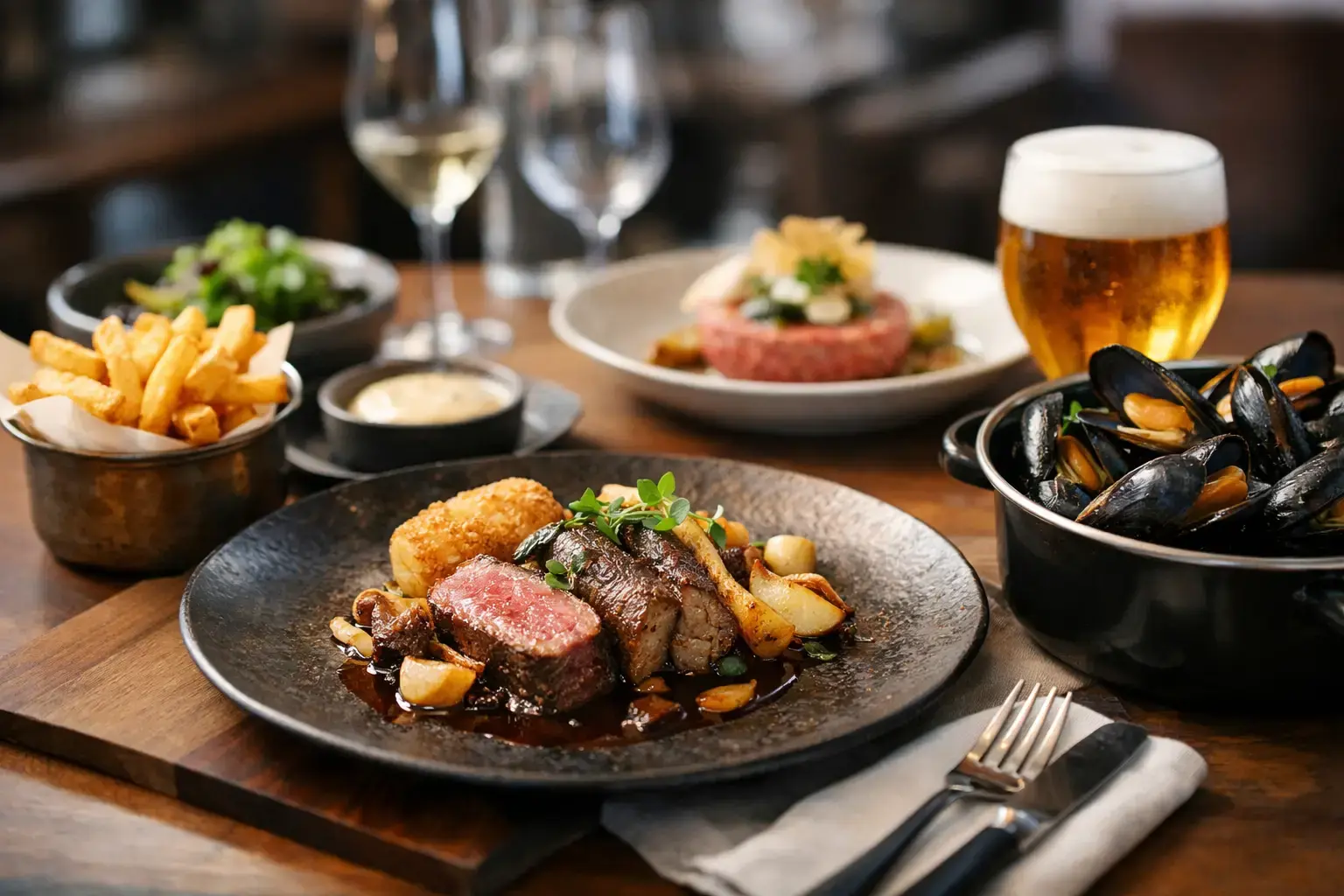
A perfectly seasoned tartare, a piece of meat seared with precision, a deep sauce without heaviness, an elegant dining room where you feel immediately expected: the trends in Belgian bistronomy are not merely a passing fashion. They reflect a shift in expectations. Diners want more than a good meal. They seek a cuisine that is both readable and refined, generous without excess, contemporary without betraying the Belgian soul.
In this evolution, Belgium occupies a singular position. Its brasserie heritage, its attachment to characterful products and its taste for hospitality create a natural breeding ground for bistronomy. Here, the plate does not seek to impress at all costs. It aims for the right note — and that is often where it seduces most.
Belgian bistronomy trends today
What distinguishes Belgian bistronomy today is, above all, its maturity. For a time, many restaurants wanted to lighten the codes of haute cuisine while borrowing its gestures. Today the movement goes further. It is no longer simply about offering a more accessible cuisine. It is about composing a complete experience, in which the setting, the pace of service, the wine list, the season and even the acoustics all contribute to the elegance of the moment.
The customer, meanwhile, has become more precise in his expectations. He appreciates sophistication but refuses ostentation. He loves premium products but wants to understand their meaning. Fine meat, yes — provided it is showcased without artifice. A plant-based dish, willingly — if it has relief and genuine personality. A short menu, even a concise one, as long as each proposition keeps its promise.
Belgian bistronomy responds very well to this demand because it has a solid foundation: taste, conviviality, and a certain generosity that remains a national signature. The trend is therefore not towards stark minimalism. It is towards warm simplicity.
The great return of terroir handled with finesse
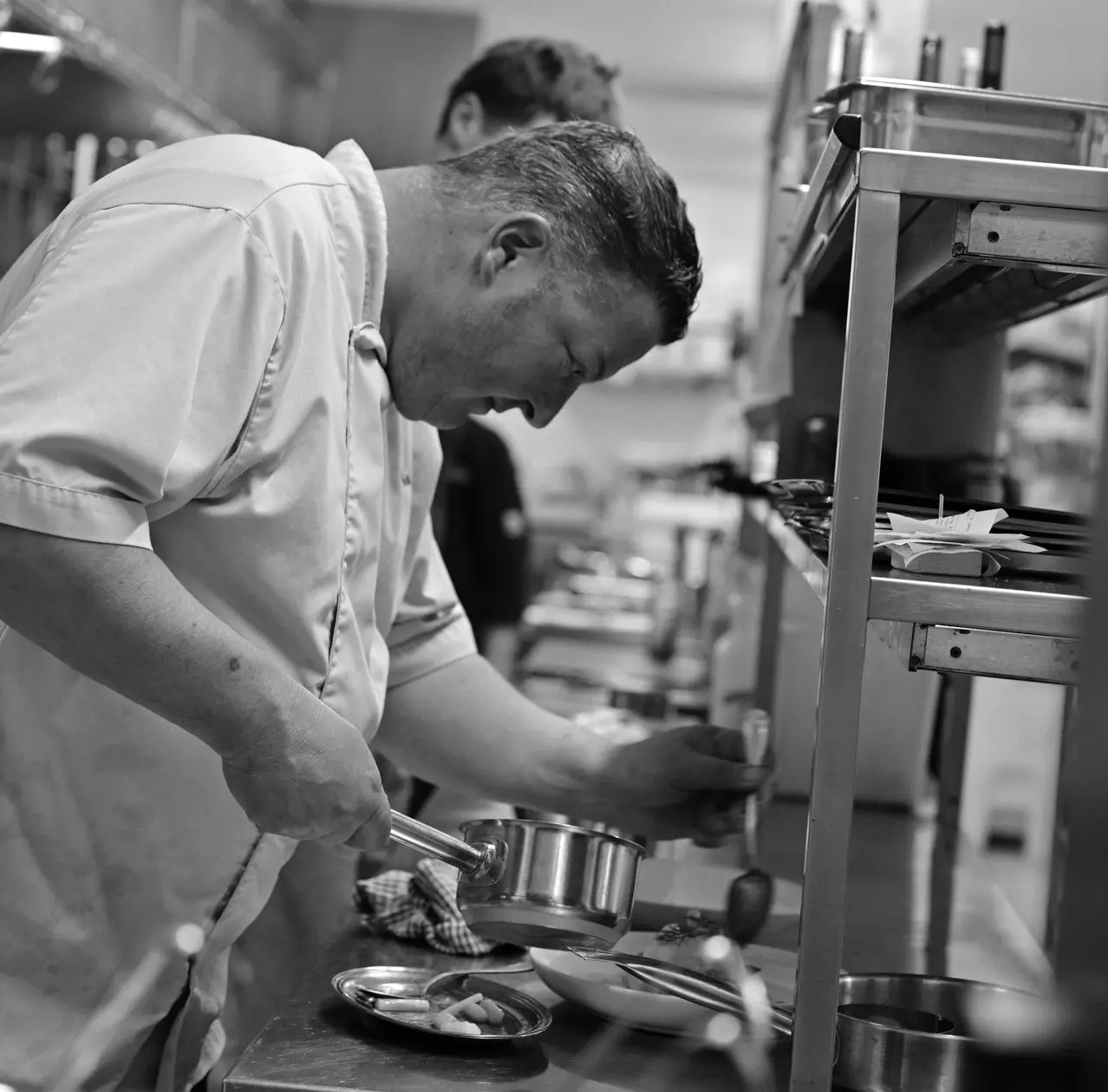
The first strong movement is that of the reinterpreted terroir. Belgian classics are not disappearing, but they are changing their dress. Sauces become cleaner, cooking more precise, garnishes less decorative and more coherent. We see the return of concentrated jus, well-constructed reductions, seasonal vegetables treated as true elements of character rather than mere accompaniments.
This evolution appeals because it reassures without boring. A free-range chicken, a beef fillet, a shrimp croquette, a North Sea fish or a dessert built around apple and gaufrette find new elegance when served with restraint. Tradition is no longer set in stone. It becomes a matter of precision.
It is also a question of identity. In a market where so many menus end up resembling one another, Belgian bistronomy regains strength when it embraces its roots. Local sourcing is not a marketing argument — it is a language. But it must be handled with discernment. Not every proximity product is automatically superior. What matters remains genuine quality, consistency and the kitchen's ability to bring out the best in it.
Meat remains central, but it is treated differently
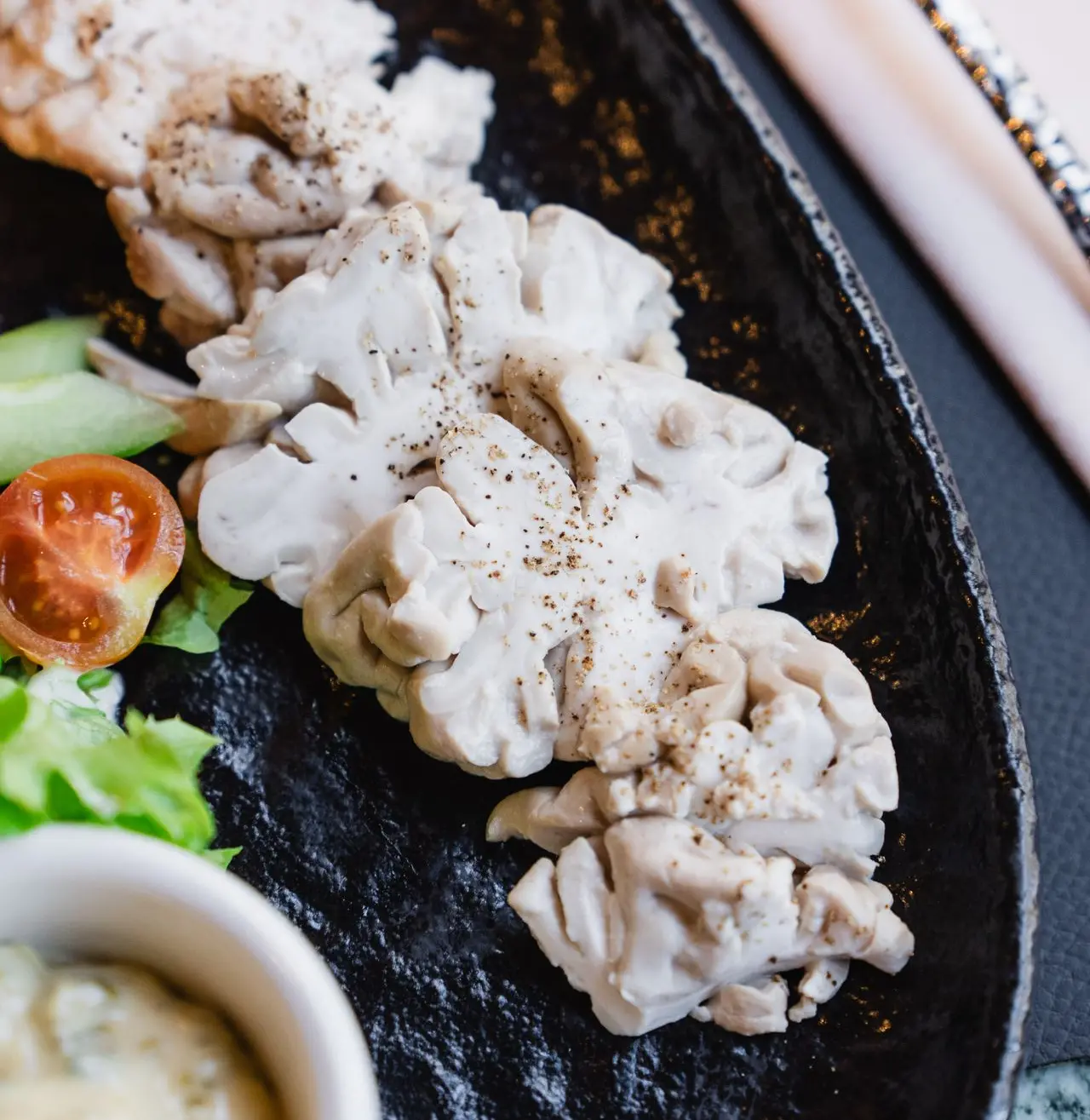
In Belgium, meat retains a major role in the bistronomy experience. This is no surprise. What is changing, however, is the way it is presented. Demonstrative plates and accumulations are falling out of favour. The cut of meat becomes the subject of genuine work in selection, ageing, cooking and carving.
Diners are quite willing to pay more for remarkable meat if the whole experience follows: visible product quality, mastered cooking, intelligently chosen accompaniments, attentive service. Stone Cooking, for example, is finding an interesting place again because it introduces a convivial and sensory dimension while leaving each diner the freedom to adjust their pleasure. The same principle applies to sharing formats centred on beef or character meats. Well executed, they create a livelier and more memorable meal.
But here again, everything depends on balance. An offer heavily centred on meat must today demonstrate that it also knows how to work with freshness, textures, light sauces, carefully composed salads and alternatives that do not feel like afterthoughts. Contemporary luxury is not abundance alone. It is precision.
Plant-based is gaining ground without erasing tradition
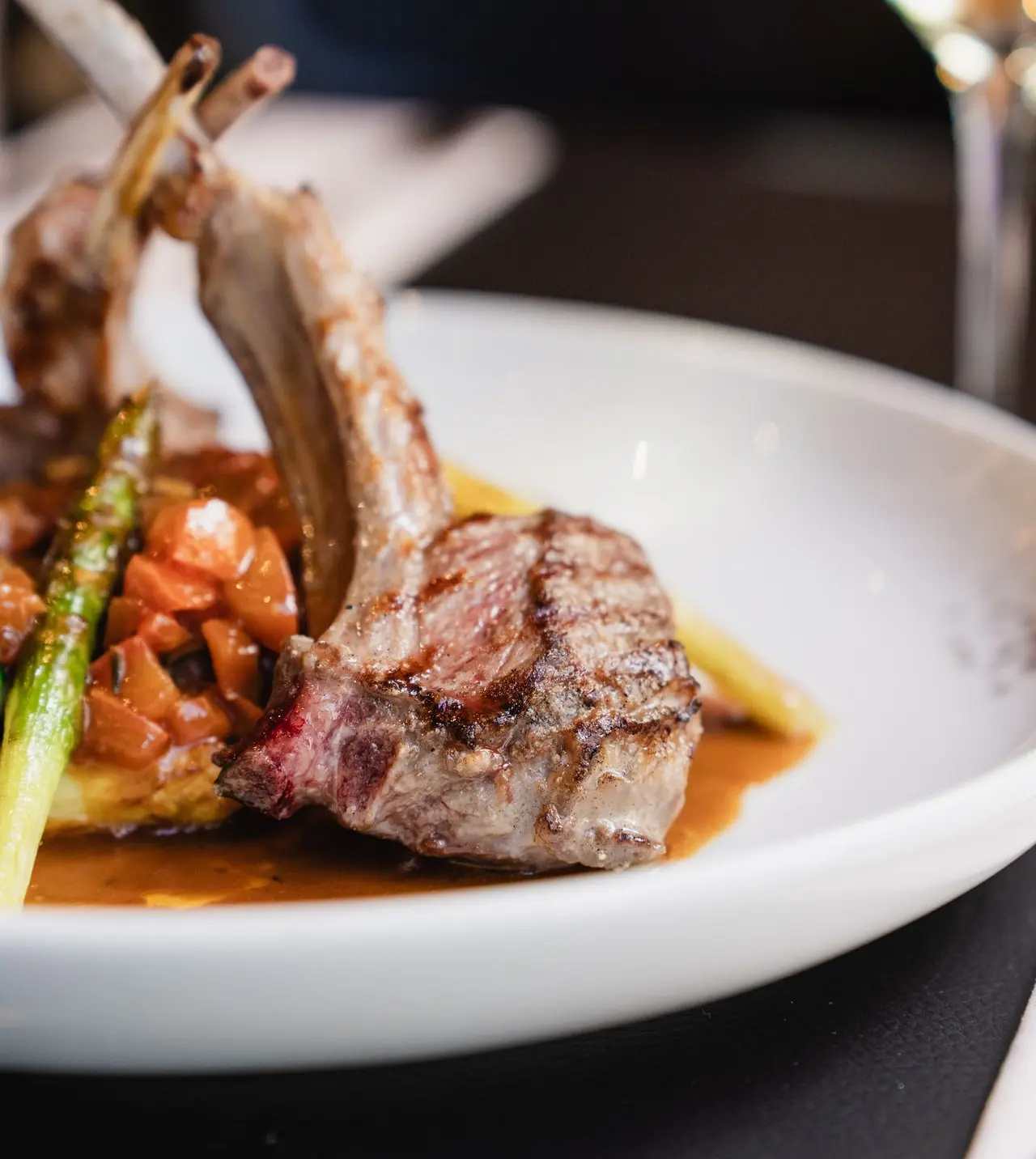
Among the trends in Belgian bistronomy, the progression of plant-based cuisine is one of the most marked. This does not necessarily mean transforming the brasserie into an activist table. The change is more subtle — and therefore more lasting. Vegetables are taking a greater place in the construction of the meal. They no longer serve merely to balance meat or fish. They sometimes become the heart of the dish.
This evolution responds to several expectations at once. Some clients want to eat more lightly at lunch. Others wish to vary without sacrificing pleasure. Still others organise group meals or events and expect a menu capable of accommodating multiple preferences with elegance.
The challenge, for a house committed to generosity, is to avoid blandness. A bistronomy plant-based dish must have depth, contrast and genuine indulgence. Beautiful cooking, a smoky touch, a lively sauce, a well-worked grain or a matured cheese can make all the difference. Plant-based cuisine does not replace Belgian tradition. It broadens it.
Sharing becomes a marker of hospitality once again
Another strong trend is the return of sharing. In a bistronomy setting, this practice does not mean a relaxation of standards. On the contrary, it can reinforce the elegance of service. A beautiful board to assemble together, a shared starter, a generous beef fondue, a cut carved tableside or desserts to savour together all establish a warmer atmosphere — particularly appreciated at relaxed business lunches, family reunions or celebrations.
This dynamic perfectly matches current expectations. Diners want to live a moment, not simply consume a succession of dishes. Sharing gives rhythm, creates conversation and softens the boundary between a regular meal and a special occasion.
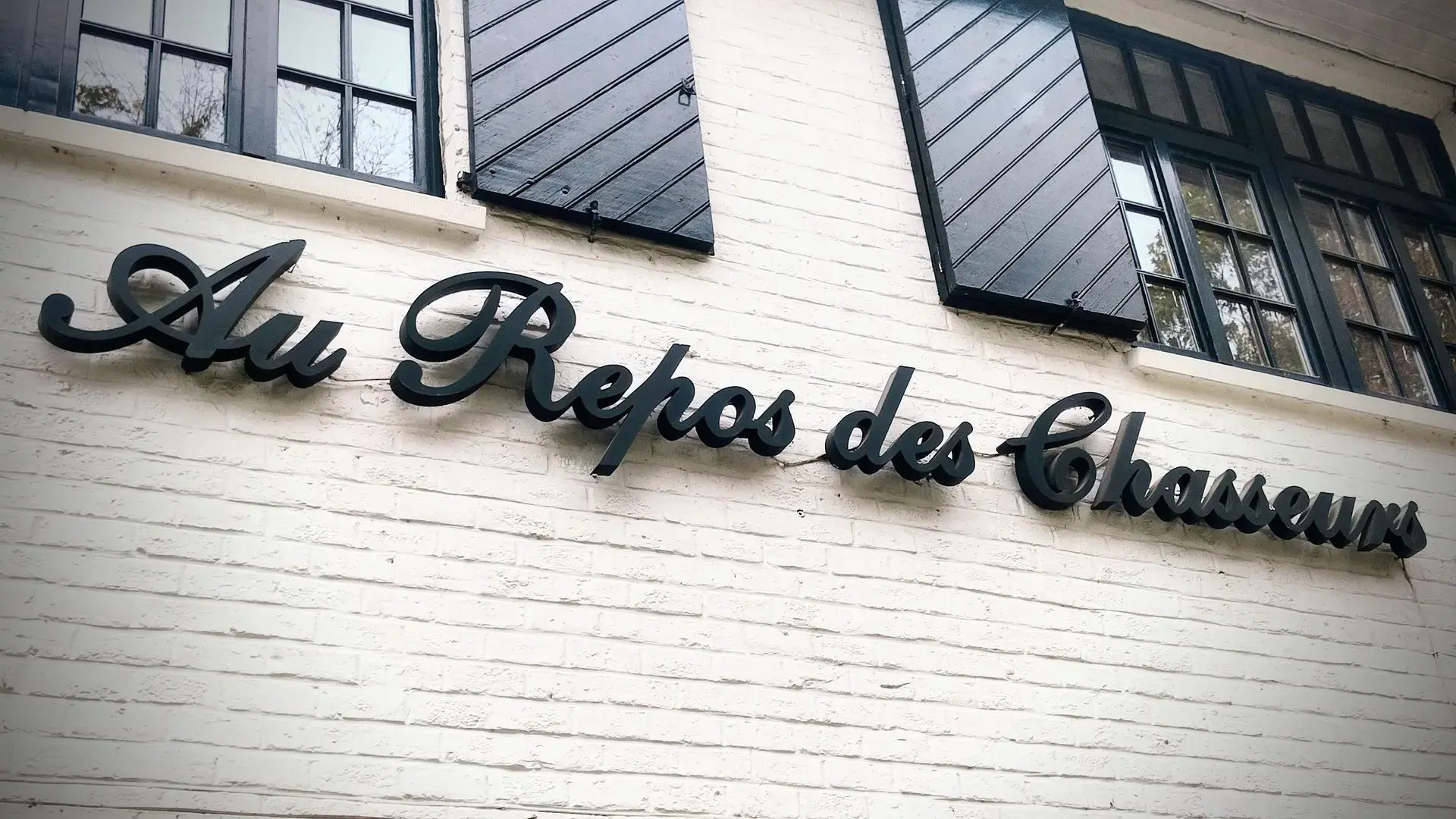
In a place of character, with a terrace, lounges or reception spaces, this trend takes on even more meaning. It allows flexible formats to be imagined — from the refined lunch to the more expansive reception — without losing the thread of a demanding cuisine. This is one of the assets of an address like Au Repos des Chasseurs, where the art of hosting is expressed as much in the plate as in the décor and quality of attention.
The setting matters almost as much as the menu
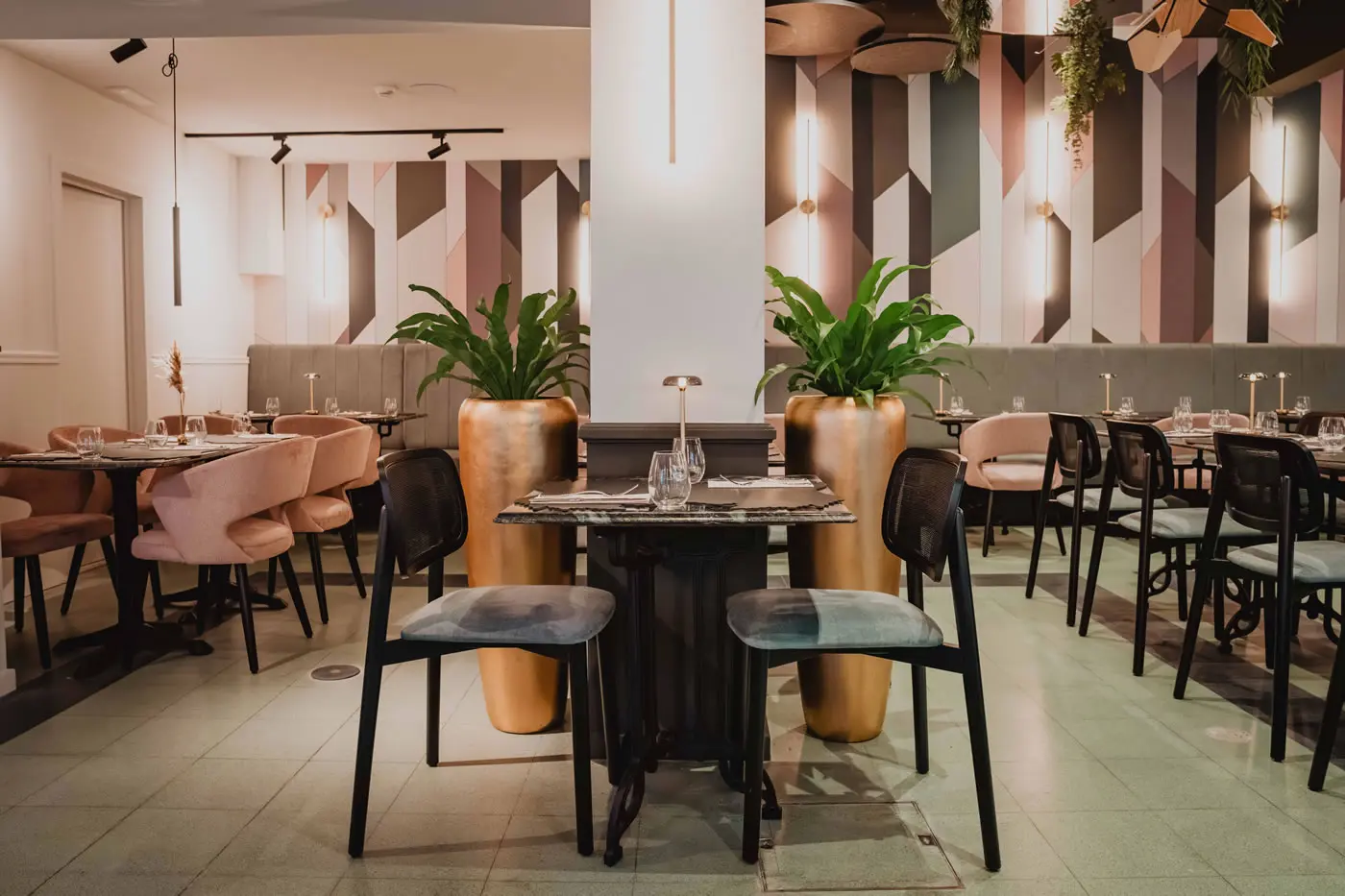
The Belgian bistronomy of tomorrow will not only be judged on what it serves, but on how it welcomes. The place becomes an integral part of the experience. Clients seek houses where they can lunch with distinction, organise an important dinner, extend the evening or even stay overnight without any break in style.
This explains the growing success of establishments that combine cuisine, atmosphere and versatility. A verdant setting near Brussels does not offer the same feeling as a standardised urban room. For a business lunch, a wedding, a banquet or a discreet weekend, the sense of breathing space matters. It gives the table a rarer dimension.
There is a strong requirement here: the décor must never compensate for the cuisine. A superb setting is not enough. But when a mastered bistronomy cuisine meets a place of architectural character, a peaceful terrace and precise service, the experience takes on a different scale. That is often what brings people back.
What premium clients truly expect
The most discerning audiences are not necessarily looking for spectacular novelty. They want an address capable of being consistent, flexible and irreproachable depending on the occasion. A couple does not expect the same thing as an event organiser. A business traveller does not experience a meal the way a family arriving to celebrate does. Yet all share one common criterion: the feeling that every detail has been considered.
This is expressed through the readability of the menu, the mastery of service, the comfort of the setting and the capacity to create an impression of generosity without heaviness. A Belgian bistronomy house that understands this can welcome both a quick, elegant lunch and a more ambitious reception.
Current trends point in exactly this direction. Fewer effects, more assurance. Less visible complication, more genuine work. Less posturing, more sincerity.
Current trends point in exactly this direction. Fewer effects, more assurance. Less visible complication, more genuine work. Less posturing, more sincerity.