Au Repos des Chasseurs
its story through History
- since 1683 -
Once upon a time, an Inn on the edge of the magnificent Sonian Forest
in Watermael-Boitsfort
Nestled at the edge of the Sonian Forest, south of Brussels, the establishment known as Au Repos des Chasseurs is among the oldest and most historically rich addresses in the Belgian capital. Its walls have withstood more than three centuries without ever leaving their setting of oaks and beeches, silent witnesses to the upheavals that have shaped Europe.
It is 1683. Louis XIV reigns as an absolute master over Versailles, the Ottoman armies have just been repelled at the gates of Vienna, and it is in this context of great changes that a building rises in the heart of the Brussels forest, destined to welcome a prestigious clientele: The Hunters of The Duke of Brabant.
Since then, the establishment has continued to write its history — a history made up of successive reigns, revolutions, wars, and culinary evolutions, traversed without ever losing its soul or its original location.
The following pages invite you to discover some of the key milestones that have shaped this iconic place, and to better understand the exceptional heritage it represents today.
- 13th and 14th Century -
Boitsfort, seat of the ducal hunt
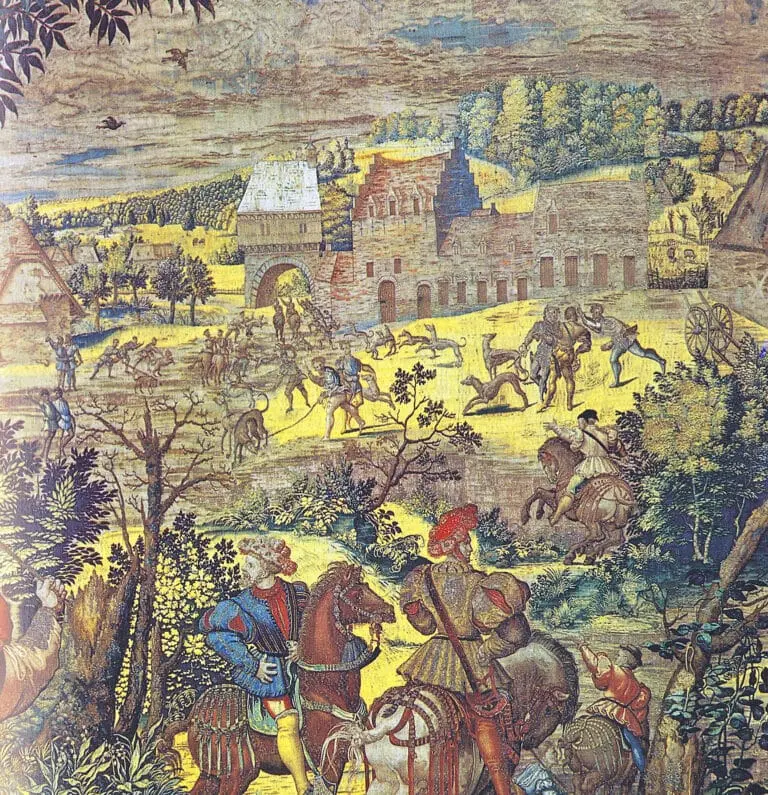
To understand Au Repos des Chasseurs, we must travel back to the heart of the Middle Ages, when Boitsfort was still a tiny hamlet nestled against the Woluwe river, under the protective shadow of the great Dukes of Brabant.
In the middle of the 13th century, these princes decided to transfer their hunting grounds from Leuven to the Sonian Forest. This is a dynastic choice with heavy consequences: Boitsfort will become, for several centuries, the seat of a power as ancient as feudalism itself — that of the Grand Venator.
This important dignitary concentrates his responsibilities there: organizing hunting parties, protecting game, maintaining horses and hounds. A royal sport, "vénerie" (from the Latin veneri = to hunt) involved pursuing game and forcing it to surrender, all according to codified rules. A large hunting party typically consisted of a good huntsman (or master of the hunt) who directed the chase, whippers-in (groomed dog handlers following the beast on horseback), and footmen and hound handlers. There was one whipper-in for every 20 dogs, and for each whipper-in, there were 2 hound handlers, one mounted and the other on foot.
In Brabant, there were two main officers in charge of hunting regulation, the Grand Veneur, and the Warantmeester, or Master of the Warren (the reserved hunts for the lord), who was also called the Gruyer. The Grand Veneur of Brabant had under his command a hunting lieutenant, a plain lieutenant, and 30 hunters. In 1525, out of 60 dwellings, 25 were occupied by hunters.
The Venery, which was extremely expensive, received as an endowment revenues of various kinds, including rents or dues paid by the inhabitants of several villages and by abbeys and their large farms. The jurisdiction of the censual court of the Venery extended over Boitsfort and part of Watermael, Uccle, Linkebeek.
“In 1282, Duke John I, the victor of Woeringen, had a chapel built near the ducal castle in honour of Saint Hubert, patron of hunters. Boitsfort rang throughout feudal Europe as the name of a hunting capital”
- Chronicles of the Dukes of Brabant -
- 1683 -
The birth of a legendary inn
It was in 1683 — a date that the archives carefully preserve — that Au Repos des Chasseurs took on the form that gives it its identity as an inn. The chaussée de la Hulpe had just been connected, two years earlier, to the road to Waterloo. The hunters return from the forest hungry, soaked with dew and autumn rain. They need a roof, a table, a fire.
Au Repos des Chasseurs is born of this immemorial need: that of the man returning from the woods who seeks warmth and sustenance. The name could not be more explicit. Here, one rests. Here, one eats. Here, one drinks.
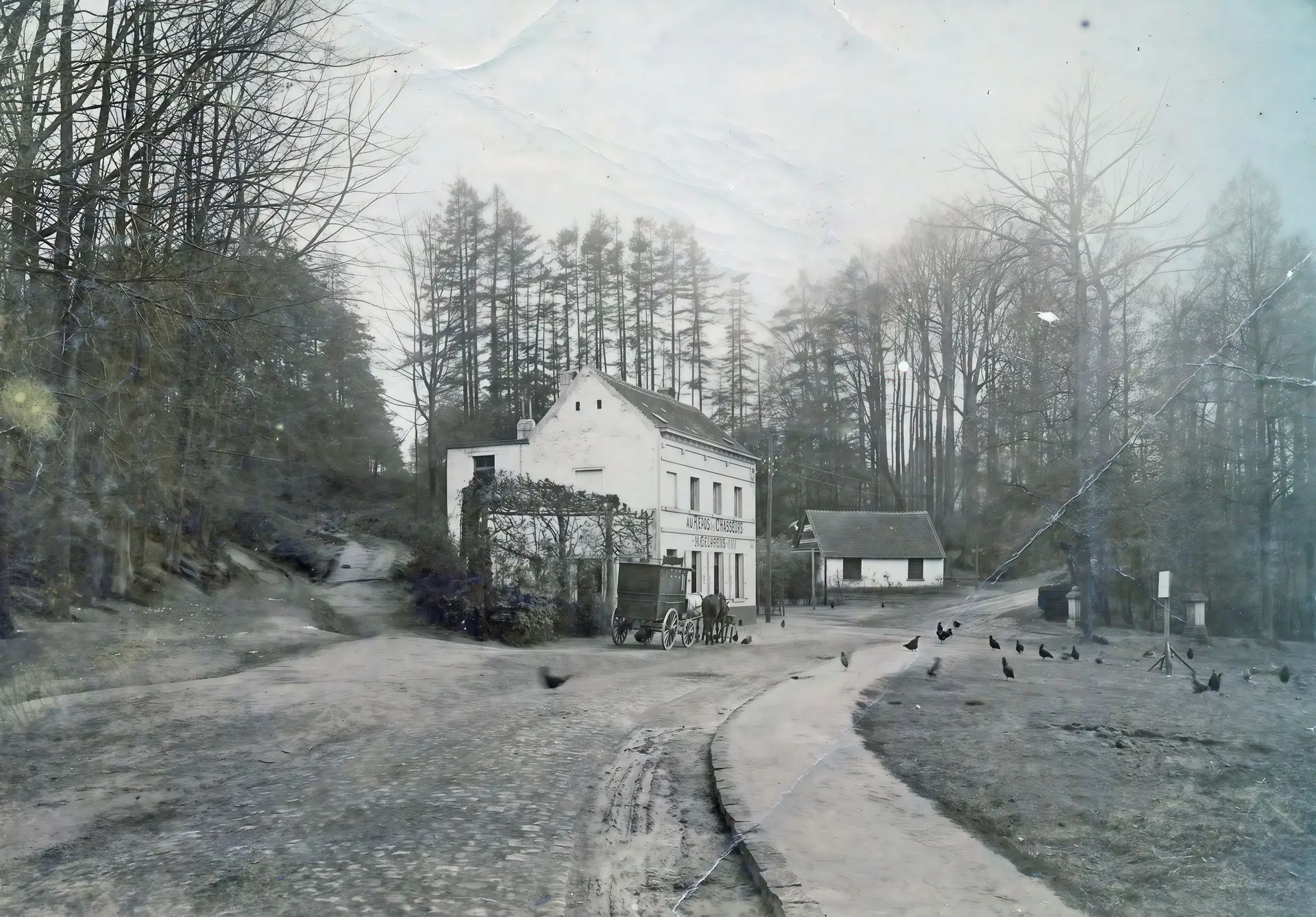
According to several historical sources, the first traces of the establishment date back to the year 1683, making it one of the oldest hospitality venues still in operation in the Brussels region, with over 340 years of continuous history.
- 18th century -
Under the Habsburgs and
the Ferraris map
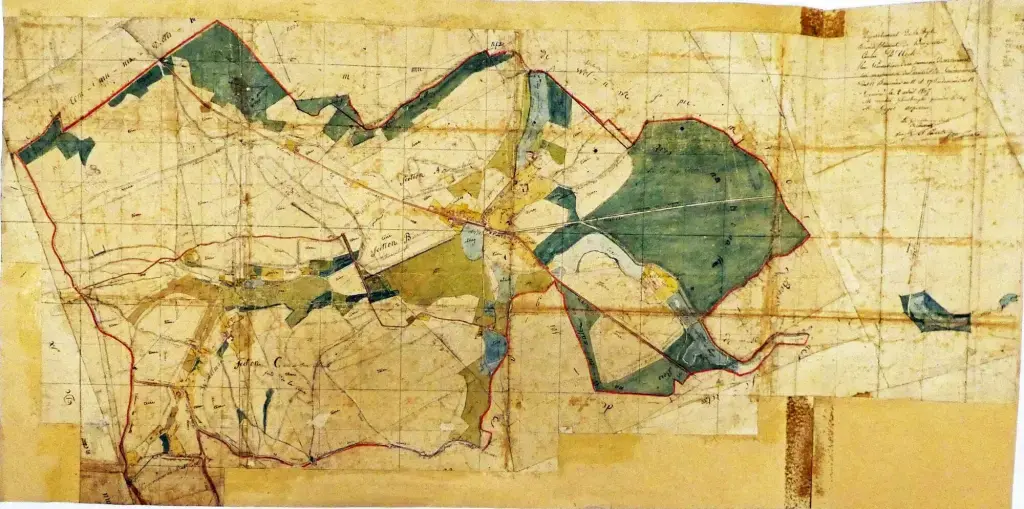
The 18th century sees the Sonian Forest change its face. Joachim Zinner methodically transforms it into an almost pure beech forest — those cathedral-like hêtraies that today enjoy international fame. The Ferraris Map immortalises Boitsfort in its forest clearing.
The Ferraris Map, drawn up in the 1770s, immortalises the village of Boitsfort in its forest clearing. Au Repos des Chasseurs is visible on it, an unmissable stopping point on the road leading from Brussels to La Hulpe. The inn then fed a colourful clientele: wealthy Brussels bourgeois, foresters, monks from Rouge-Cloître and Groenendael. Eels from the Woluwe found their way — au vert — into the cooking pots.
- 19th century -
Belgium is born,
an institution is forged
In 1830, Belgium is born. Leopold II, the builder king, lays out the Boulevard du Souverain and definitively opens up Boitsfort. The people of Brussels flock there on Sundays. And Au Repos des Chasseurs, a hunting lodge, expands and transforms to welcome this new bourgeois clientele that loves the forest without wanting to suffer in it.
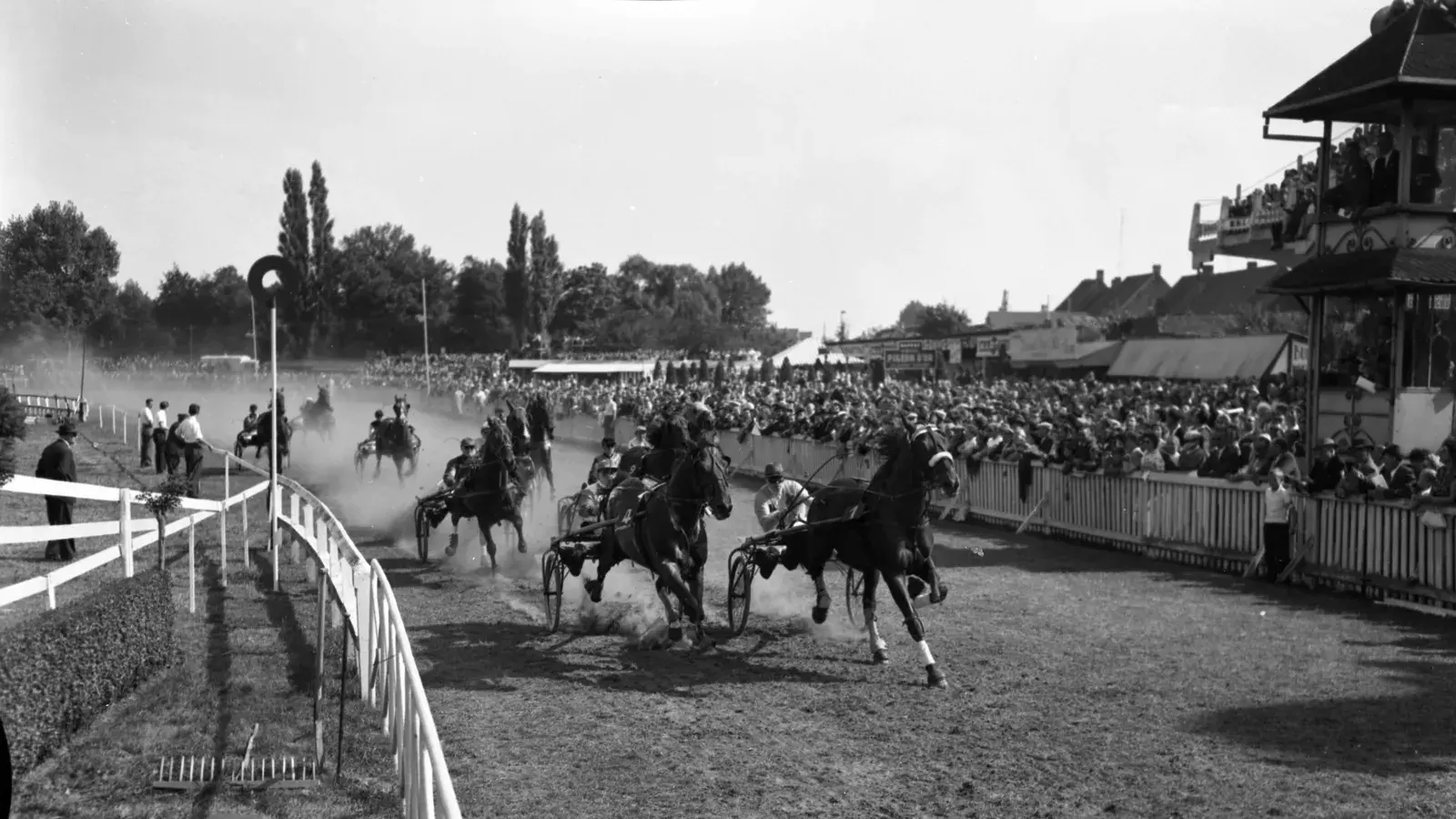
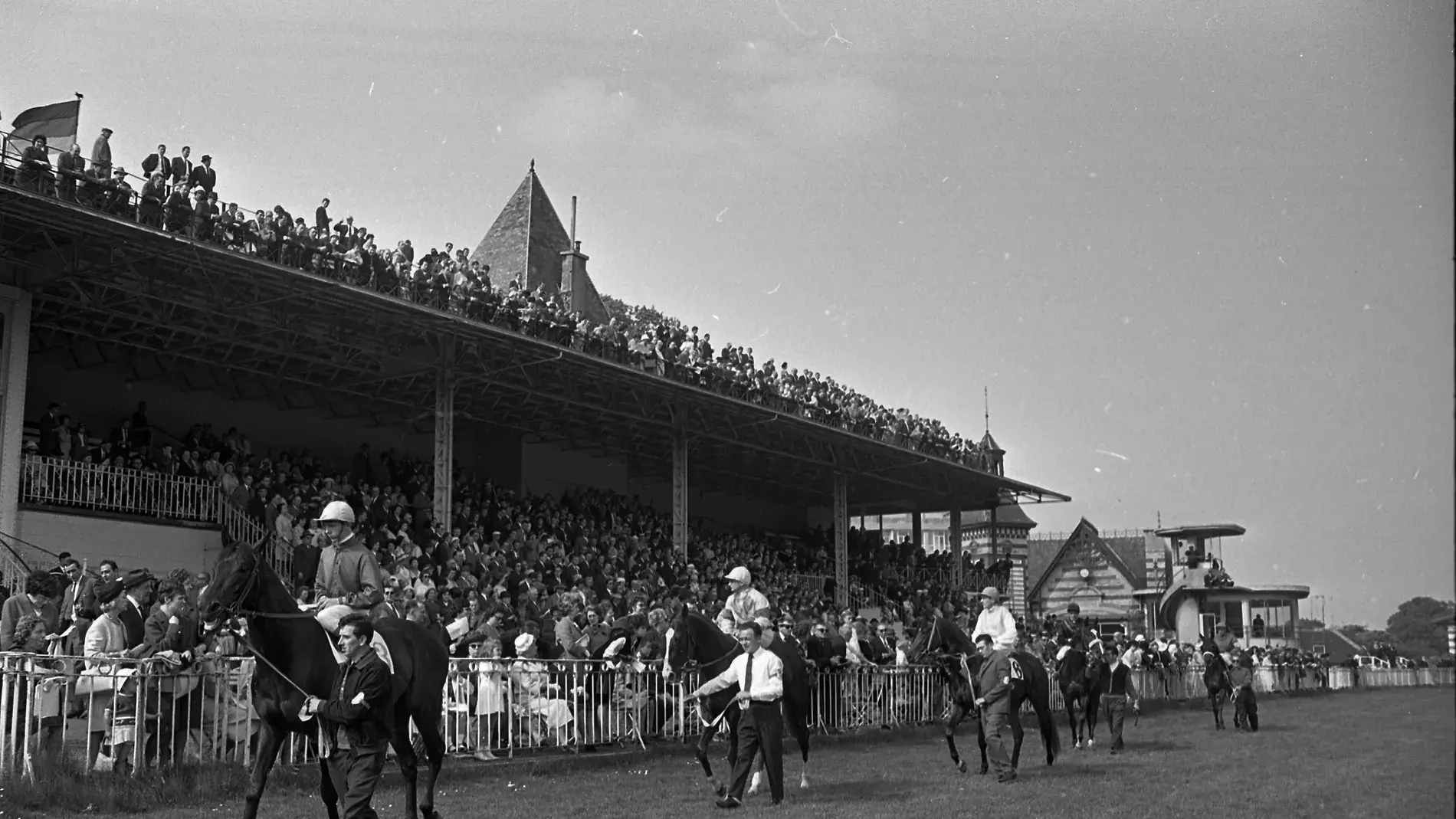
Boitsfort became, in the second half of the 19th century, one of the high places of Brussels' social life. In August 1875, under the impetus of Leopold II, the State ceded a portion of the Soignes forest to the City of Brussels for the creation of a racetrack, the famous Boitsfort Racecourse. Designed by landscape architect Edouard Keilig, the grandstand dates back to 1875.
The racecourses were then the quintessential meeting places for the bourgeoisie and the Brussels aristocracy. While Groenendael and its royal box were the favorite racetrack of Leopold II, the Boitsfort racetrack was the one for the "high society" of Brussels — embraced by the aristocracy and the upper bourgeoisie.
In addition to horse racing and betting, the racetrack hosted fashion shows and social events. To allow thousands of spectators to access it, a tram line was even built. The racetrack experienced its golden age between 1880 and 1940, and was among the best in Europe for twenty years.
Just a stone's throw from this excitement, Au Repos des Chasseurs stood out as the natural stop before or after the races — the place where people gathered, where they extended the afternoon, where the bourgeoisie came to savor the pleasures of the table after the intoxication of the stands.
- 20th century -
Boitsfort, a haven of great artists
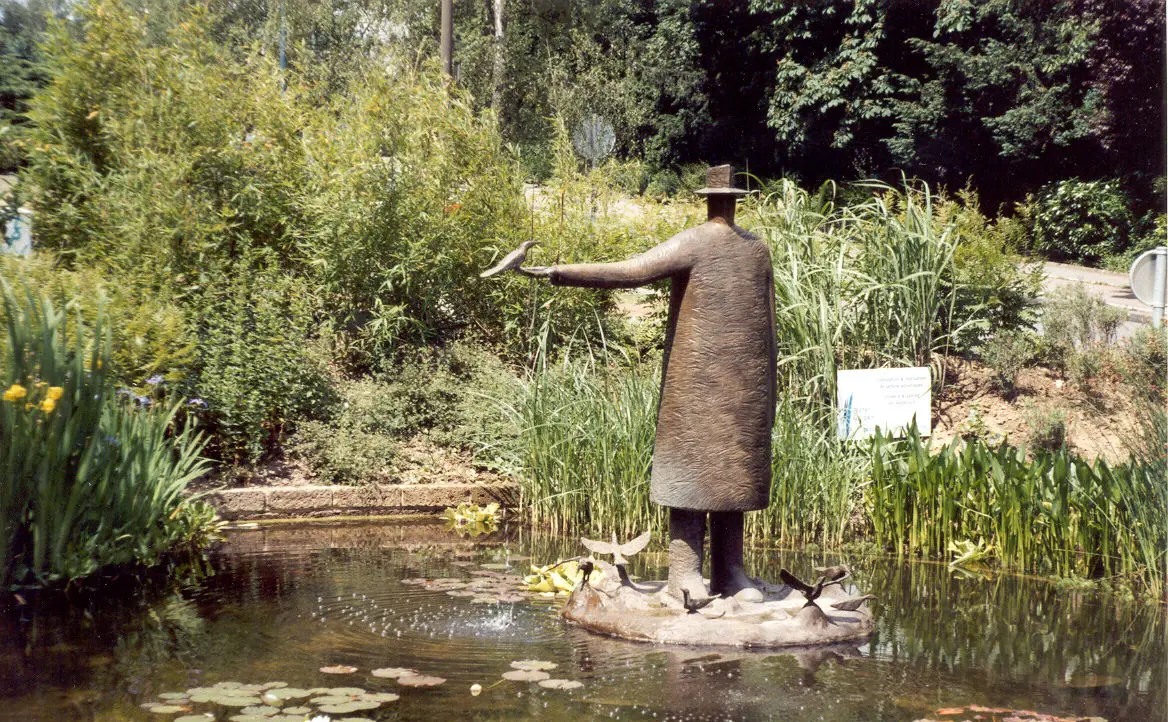
At the turn of the 20th century, Watermael-Boitsfort attracts some of the most notable figures of Belgian culture to its peaceful streets: the surrealist painter Paul Delvaux, the cartoonist André Franquin, and the father of Tintin, Hergé, make their home there, bestowing this corner of the Sonian Forest with a unique artistic and intellectual aura.
It is in this context that, in 1997, Au Repos des Chasseurs took a decisive step in its history by expanding its hotel infrastructure to eleven hotel rooms and several reception halls.
At Au Repos des Chasseurs, a long-standing plural vocation is thus consolidated: to welcome, to celebrate, to host.
The hunting trophies that adorn the walls testify to a strong identity, inherited from its history, while the marble and rattan of the grand hall immediately impose the atmosphere of a characterful brasserie — the very one that will become the signature of the establishment.
Ideally located near the major Brussels roadways and Brussels National Airport, the establishment asserts a positioning that is resolutely aimed at a discerning clientele, in search of a place where gastronomy, celebration, and the art of hospitality come together under one roof.
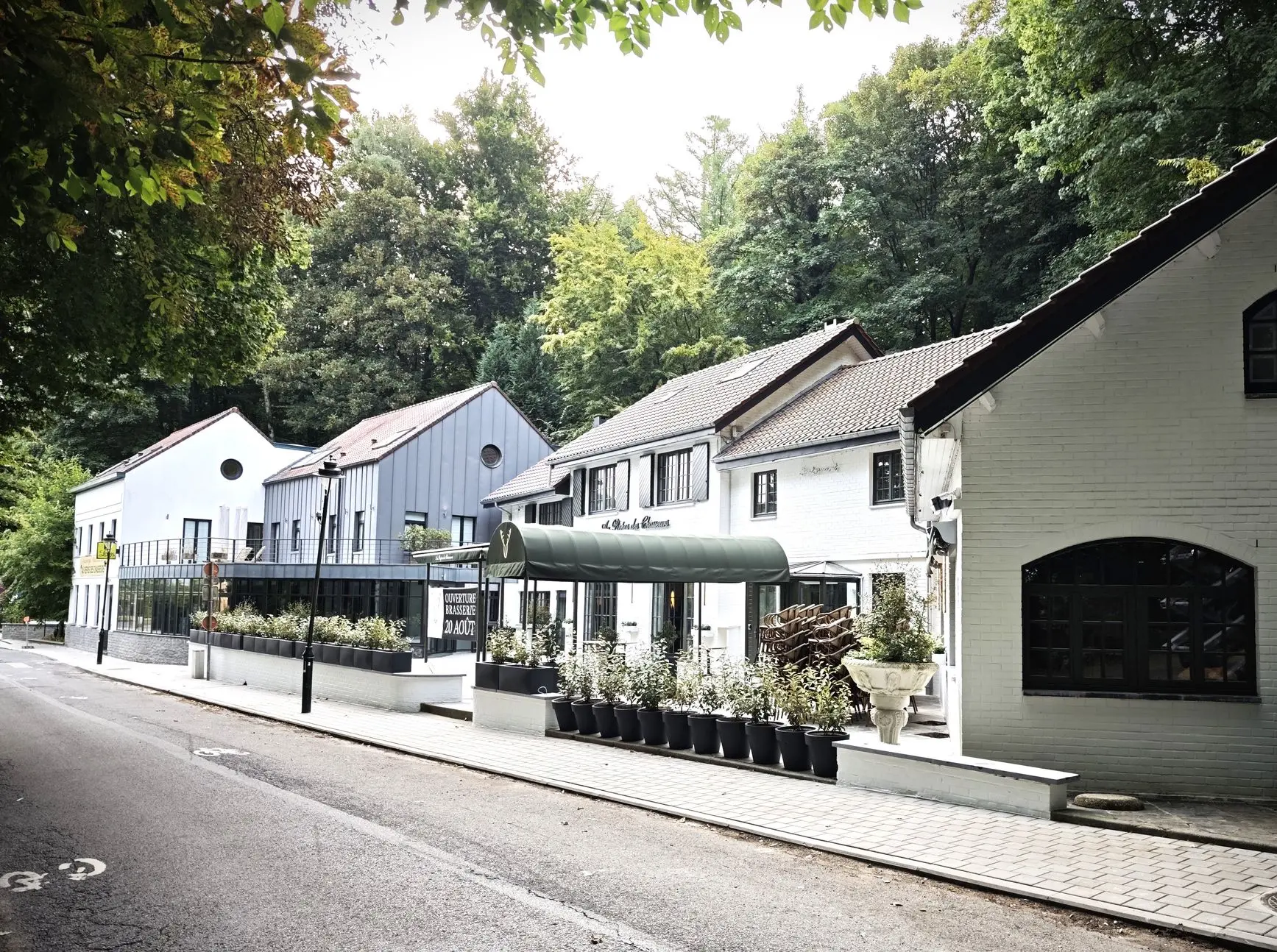
- September 2025 -
A new page is being written
After two years of major renovations (2024–2025), Au Repos des Chasseurs reopens its doors in September 2025. A new management team, passionate and determined, has taken the reins of this three-hundred-year-old establishment with a clear vision: to honour the spirit of the place while carrying it forward into its future.
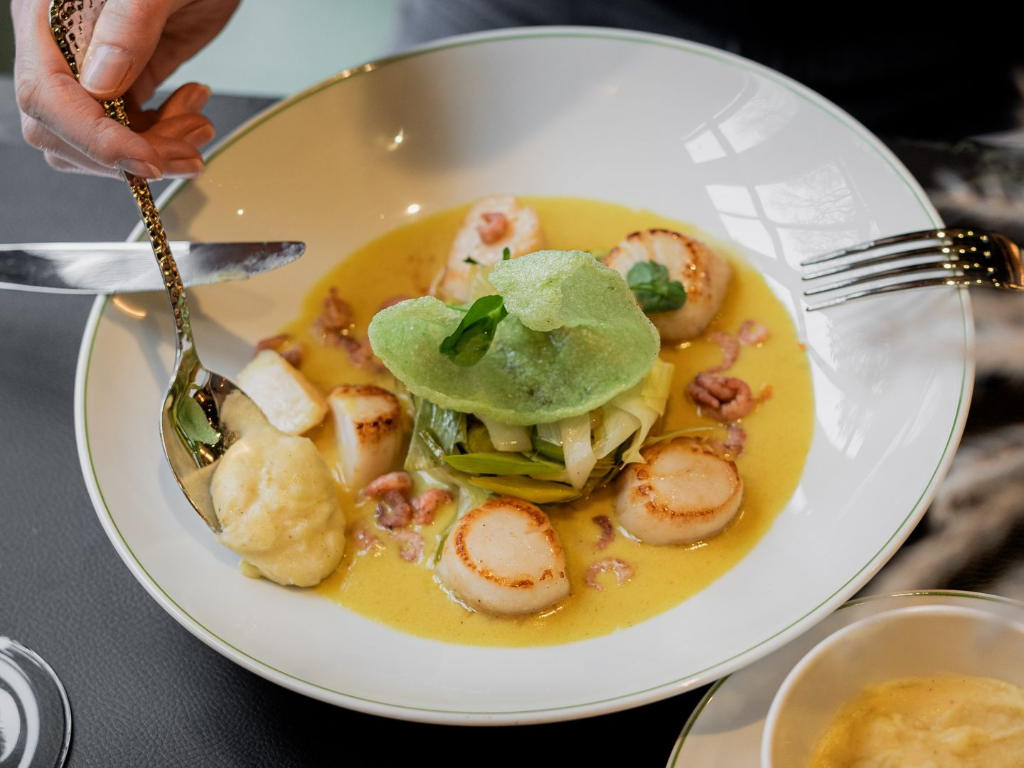
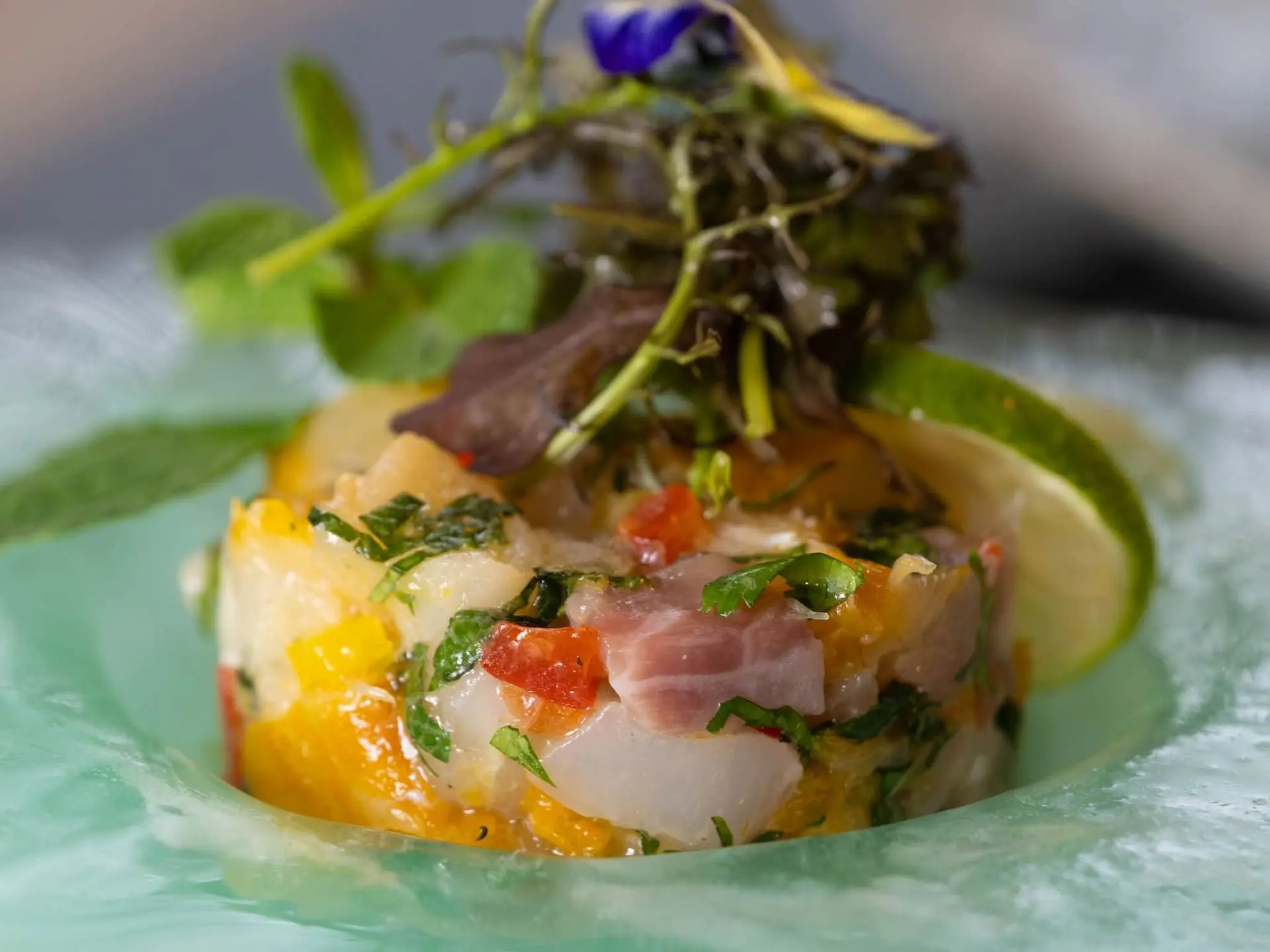
Today, Chef Adrien Schurgers showcases all his talent with a generous and expertly crafted bistronomic menu, where the classics of the brasserie are combined with refined execution, attentive service, and a contemporary setting.
“A completely reimagined space, blending contemporary elegance and forest inspiration, in homage to its history. Each area invites nature to enter, for an authentic experience at the heart of the heritage of Watermael-Boitsfort.”
Three hundred and forty years later, the fire burns brighter than ever
There are places that time cannot kill. Au Repos des Chasseurs is one of them. Since the hunting horns of the Dukes of Brabant echoed in the Soignes, since the first foresters set their muddy boots on the stone slabs, since generations of Brussels residents have celebrated their joys there — this establishment has continued to burn its flame, stubbornly, at the corner of Charle-Albert Avenue.
Today, Au Repos des Chasseurs offers what very few Brussels addresses can truly promise: the absolute serenity of the Sonian Forest, just a stone's throw from the city. Its large 110-seat terrace, nestled on the edge of the Sonian Forest, invites guests to savour every meal in a setting of greenery and calm — the feeling of being far away, without ever leaving Brussels.
Eleven hotel rooms extend this nature getaway for those who wish to linger, while five reception halls, accommodating up to 350 guests, make the establishment an ideal setting for events that deserve a decor worthy of them.
Around a generous bistronomic cuisine and its Hot Stone Grill & Beef fondue offerings — every evening, a new chapter of this long story is written here.