
A management committee that arrives already tired from traffic jams does not approach the day like a team that strolls through a tree-lined terrace before the first coffee. The whole question of whether to hold the seminar in the city or in nature starts there: in the mindset that the location creates even before the first speech. The choice of setting is never merely decorative. It influences concentration, the quality of exchanges, the pace of the day, and often, the overall perception of the event.
However, there is no universal answer. Some seminars benefit from being in the heart of the city, close to offices, train stations, and tight schedules. Others take on a whole new dimension as soon as you move away from the noise, to find air, space, and a rarer form of availability. The right choice depends less on a trend than on the actual objective of the meeting.
Seminar in the city or in nature: a matter of intention
Before comparing the advantages of each option, it is important to consider the nature of the seminar. A two-hour strategic meeting, a product launch, a team-building day, or a residential executive committee do not expect the same things from a venue.
The city perfectly accommodates dense, rhythmic, and sometimes fragmented formats. People come here to save time, streamline interventions, and allow everyone to quickly return to other commitments. The urban setting promotes immediate efficiency, especially when participants arrive from various points in the region or have only half a day to dedicate to the event.
The green, in turn, changes the posture. It invites us to slow down just enough to listen better, think better, and decide better. In a calm environment, conversations flow more naturally, ideas circulate differently, and informal moments gain real value. When a seminar aims for alignment, creativity, cohesion, or taking a step back, this mental shift often matters as much as the geographical shift.
The advantages of a seminar in the city
An urban seminar first reassures with its apparent simplicity. It is easy to reach, clear for the guests, and compatible with very tight schedules. For an event bringing together collaborators, clients, or partners for a short period, this argument carries weight.
The city also gives a sense of energy. It is well-suited for business meetings, result presentations, and speeches that require rhythm and visibility. In certain sectors, it even supports an image of dynamism and responsiveness, which is significant when hosting external stakeholders.
But this efficiency has its downside. A place that is too urban sometimes allows daily life to intrude into the day. Calls resume between sessions, early departures multiply, and attention disperses more quickly. We remain close to the office, and therefore close to our usual reflexes. For teams that are already constantly in demand, this is not always the best context for fostering a deep exchange.
Another point to consider: not all locations in the city are equal. A venue can be central without being inspiring. However, in a seminar, the atmosphere is not just an added comfort. It contributes to the level of engagement of the participants. A room without light, a rushed lunch, or an impersonal environment can significantly diminish the value of a day that may have been well planned on paper.
Why green often changes the quality of exchanges
Choosing a more natural setting does not mean organizing a distant or complicated retreat. In many cases, it is enough to step slightly outside the center to gain some breathing room without sacrificing accessibility. This is often where the balance becomes interesting.
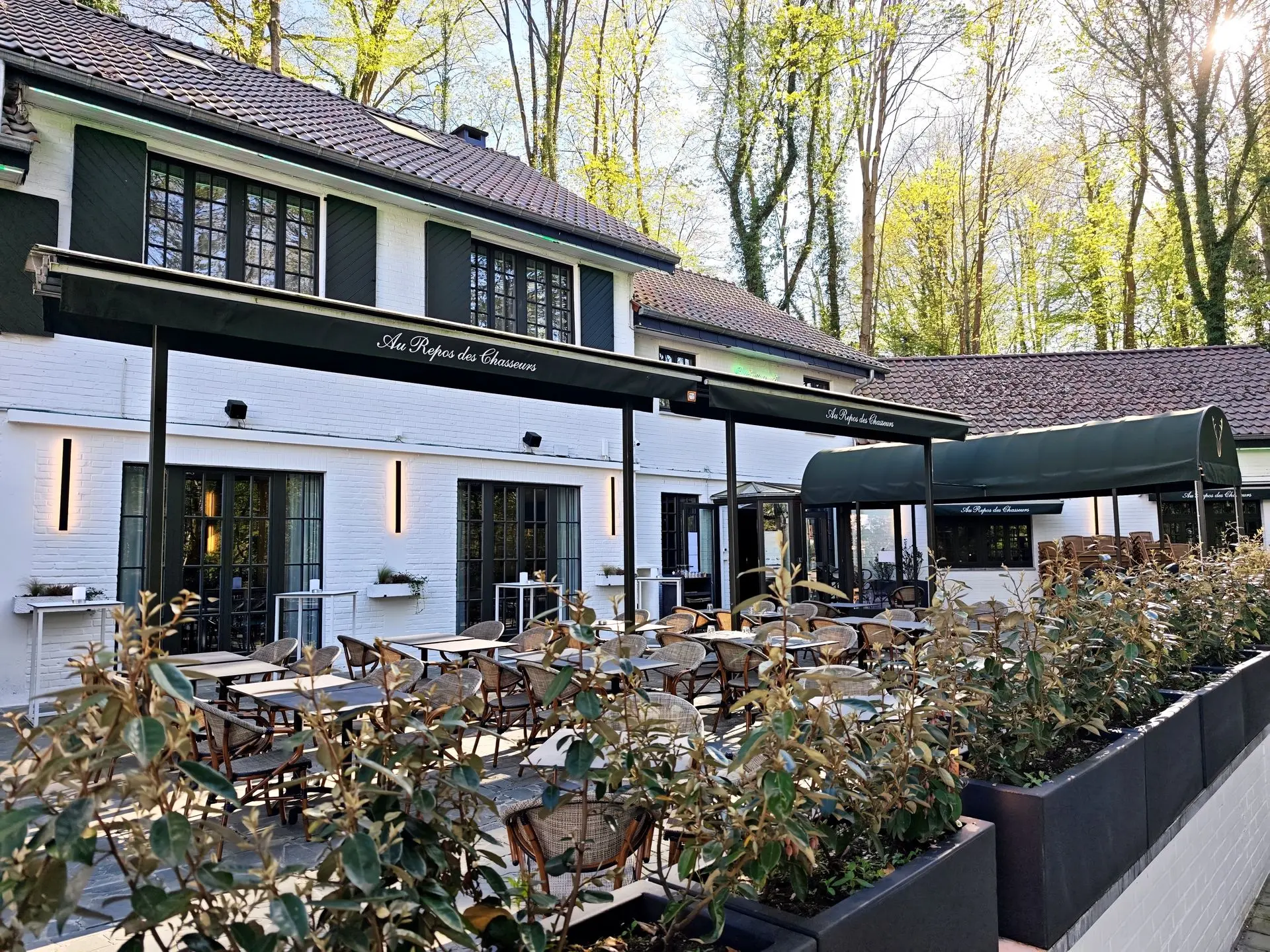
The color green first brings a quality of presence. Participants more easily disconnect from their usual flow, simply because the setting is no longer part of their routine. The light, the open view, the calm outside, the possibility of taking a break on a terrace or in a garden change the way the day is experienced. We often talk about productivity, but we forget that clarity of mind also arises from the environment.
This type of environment particularly encourages seminars that require nuance. A strategic reflection, a repositioning effort, a team day after an intense period, or a committee that needs to arbitrate sensitive decisions benefit from a space that soothes without dulling. Calm does not detract from the demand. It simply allows for a better engagement with it.
There is also the relational dimension. In a more serene environment, lunch is not just for nourishment. It becomes an extension of the discussion. A dinner on site, some rooms, a more private evening, or a breakfast the next day can transform a simple business meeting into a significant moment of cohesion. For some companies, it is precisely this added experience that justifies the choice of venue.
City or countryside seminar: the right criteria for deciding
Rather than opposing two worlds, it is necessary to evaluate several very concrete criteria. The first is the available time. If your guests have three hours and need to return to the office in the afternoon, immediate proximity has an obvious advantage. If you have a whole day, or better yet, a residential format, a greener setting will make more sense.
The second criterion is the implicit objective of the event. Do we want to inform, persuade, mediate, celebrate, or re-engage? A strictly top-down seminar is better suited for an urban environment. A seminar that aims to create buy-in or generate ideas generally benefits from offering more space and comfort.
The third criterion concerns the participants themselves. Highly commercial profiles, accustomed to a fast pace, do not always expect the same things as a management committee or a project team in need of refocusing. Similarly, an international group will often appreciate a location that is easily accessible but has a true personality, to avoid the interchangeable impression of certain standardized establishments.
Finally, we must look at the experience as a whole. The room is just one element. The catering, the quality of the welcome, the smoothness of the transitions, the possibility of staying on-site, the charm of the building, the quality of the outdoor spaces, and the attention given to service are all equally important. A just place is one where there is no need to compensate for shortcomings with excessive logistics.

The most interesting option is sometimes in between the two
In practice, many organizers are no longer looking for a seminar that is completely urban or completely isolated. They want a location that remains easy to reach while creating a true break. This is often the most elegant solution.
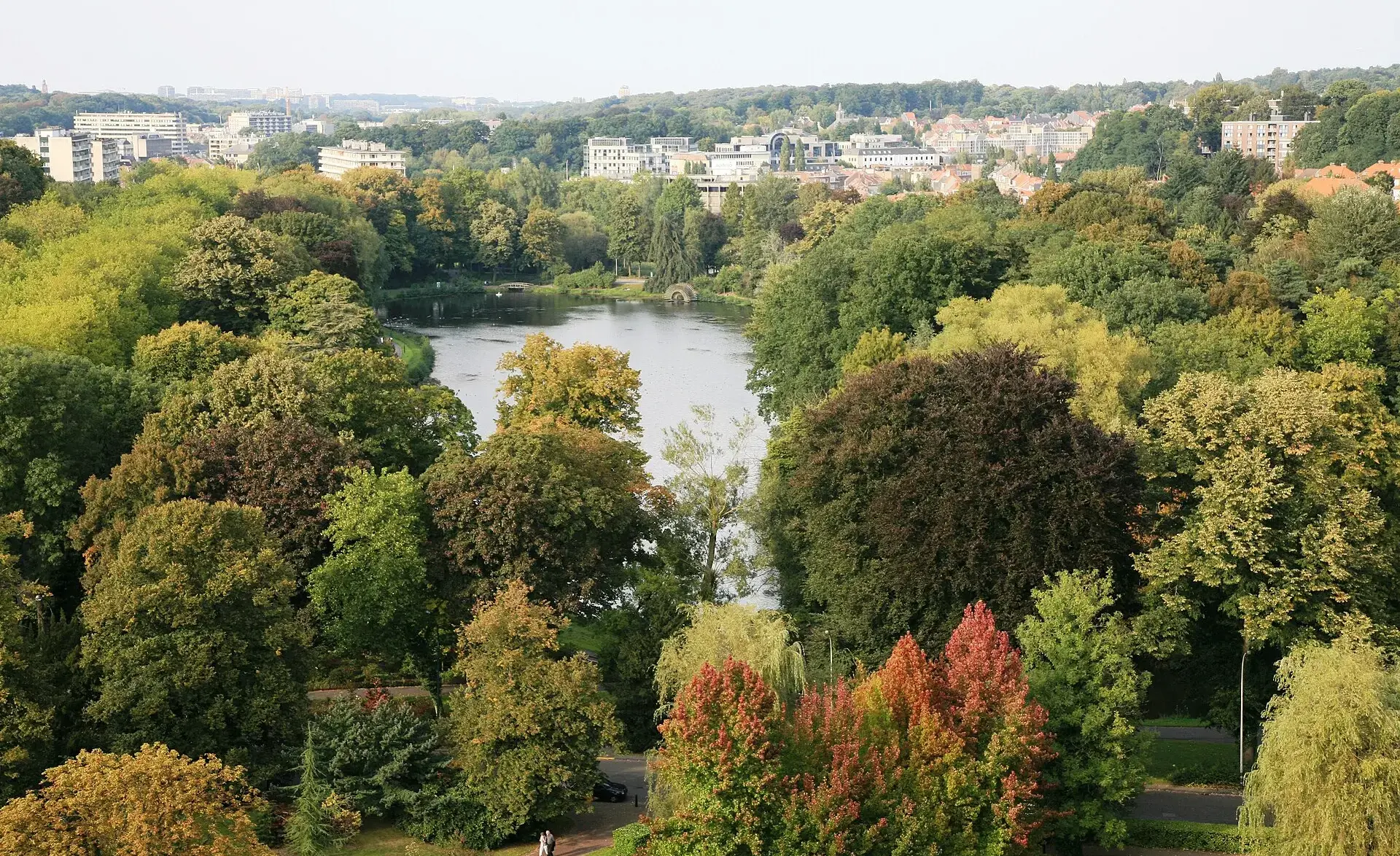
In Brussels, this approach particularly meets the expectations of businesses. One can offer their teams or guests a more peaceful environment without imposing a long journey. A facility located on the outskirts of the city, surrounded by greenery but connected to major routes, allows for logistical comfort while giving the seminar a different quality. It is in this in-between that the most successful events are often found.
A place like Au Repos des Chasseurs perfectly illustrates this logic: it offers tranquility, the presence of nature, the elegance of a characterful house, all while remaining close to the center and useful access points. For an organizer, this balance is invaluable. It avoids having to choose between practicality and atmosphere.
What the place also says about your business
The choice between city and green is not just functional. It sends a message. Hosting your teams or partners in an impersonal location may be sufficient for an operational meeting, but not for a moment you want to be memorable. In contrast, a carefully chosen setting expresses a certain idea of the attention given to people.
A refined, warm, well-served environment rooted in a strong identity enhances the event without ostentation. It shows that the company knows how to create the right working conditions as well as good moments of camaraderie. This coherence is very important, especially when the seminar hosts decision-makers, clients, or key collaborators.
The green adds to this a dimension that is highly valued today: that of discreet luxury. Not excess, but space, silence, light, a generous table, attentive service, and the feeling of being able to think more freely. For many organizations, this form of sophistication has become more compelling than a hyper-central location that lacks character.
Choosing between a seminar in the city or in nature is therefore about selecting the energy we want to bring to the meeting. The city accelerates. Nature deepens. Between the two, some places have the intelligence to offer access without sacrificing tranquility, and it is often there that professional days take on a whole new character. When the setting truly supports the objective, we no longer just gather people: we create the conditions for a moment that is useful, fluid, and lasting appreciated.